


MDF and particle board are both engineered wood materials, but they differ in strength, finish, durability, and moisture resistance. MDF offers a smoother surface, better screw-holding capacity, and more design flexibility, making it ideal for wardrobes, shutters, TV units, and decorative furniture. Particle board is more affordable and lightweight, but it is less durable and more vulnerable to moisture damage. For Indian homes, MDF is usually the better long-term choice, while particleboard is a good budget-friendly option for low-moisture furniture.
Choosing the right material for your home interiors is not as simple as picking what looks good in a catalogue. The material you choose directly impacts durability, finish, maintenance, and long-term value. That is why the debate between particle board and MDF remains common among homeowners planning modular kitchens, wardrobes, TV units, or storage furniture.
If you are designing your home in cities like Mumbai or Bangalore, where humidity, space planning, and budget all matter, understanding these materials becomes even more important. While both MDF and particle board are engineered wood products, they perform very differently in daily use. Here is a detailed breakdown to help you choose the right fit for your interiors.
Before selecting materials for your furniture, it is important to understand where and how they will be used. MDF works well for premium finishes and detailed designs, while particleboard is often used for budget-friendly furniture and lightweight applications.
The decision should not depend only on cost. Moisture exposure, weight-bearing needs, finish quality, and longevity all play a role when comparing MDF board vs particle board.
| Feature | MDF | Particle Board |
|---|---|---|
| Full Form | Medium-Density Fibreboard | Engineered wood made from wood chips |
| Surface Finish | Smooth and premium | Slightly rougher texture |
| Strength | Stronger and denser | Lightweight and less durable |
| Moisture Resistance | Better with proper lamination | Lower resistance to moisture |
| Cost | Slightly more expensive | More affordable |
| Best Used For | Wardrobes, shutters, decorative units | Budget furniture, storage units |
| Workability | Easy to carve and paint | Limited design flexibility |
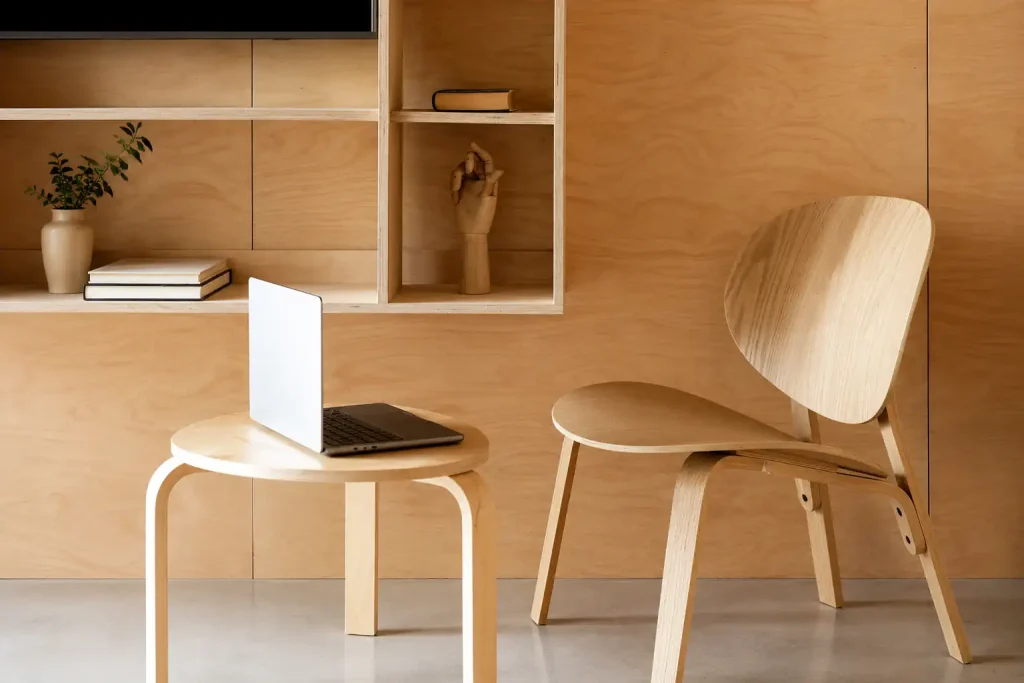
MDF, full form medium-density fibreboard, is made by glueing wood fibres together and compressing them under intense heat to create sheets or boards. This type of engineered wood is inexpensive, easy to paint due to its smooth surface, strong and dense, and thus an immensely popular option among carpenters and homeowners.
Particle Board is another type of engineered wood made by glueing and compressing wood waste. Typically made from recycled timber, it is among the most economical and sustainable options for designing home interiors.
Among the various types of engineered wood, the Particle Board is also the least dense and the lightest due to the gaps in between the particles. The economical price of Particle Board also makes it the ideal choice for kitchens worldwide. However, since Indian kitchens are often exposed to a lot of moisture, most designers avoid using Particle Board, as it isn’t very moisture-resistant.
However, if it is to be used, it’s done so in spaces that don’t come into contact with water.
If budget is your main concern, particle board is usually the more affordable option.
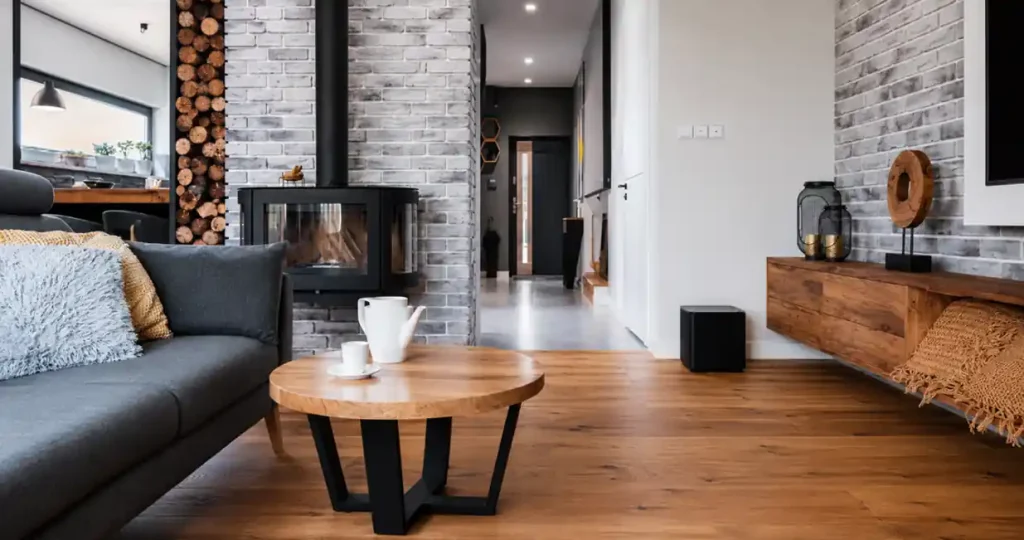
MDF is better suited for wardrobes, TV units, decorative wall panels, study tables, and modular kitchen shutters where finish and appearance matter. Particle board works well for lightweight storage units, office furniture, shoe racks, and budget-friendly furniture pieces that do not face heavy daily wear.
The choice between particle board and MDF should always depend on the furniture’s function, not just the upfront cost.
For Indian homes, especially in urban apartments, MDF is often considered the better option for long-term interior use.
Cities like Mumbai experience high humidity, while Bangalore homes often prioritise modern aesthetics and customised furniture. MDF better meets these requirements due to its smoother finish and stronger structure.
That said, particle board can still work well for cost-effective furniture in low-moisture areas. When comparing MDF boards vs particle board for Indian households, MDF usually delivers better value over time if properly maintained.
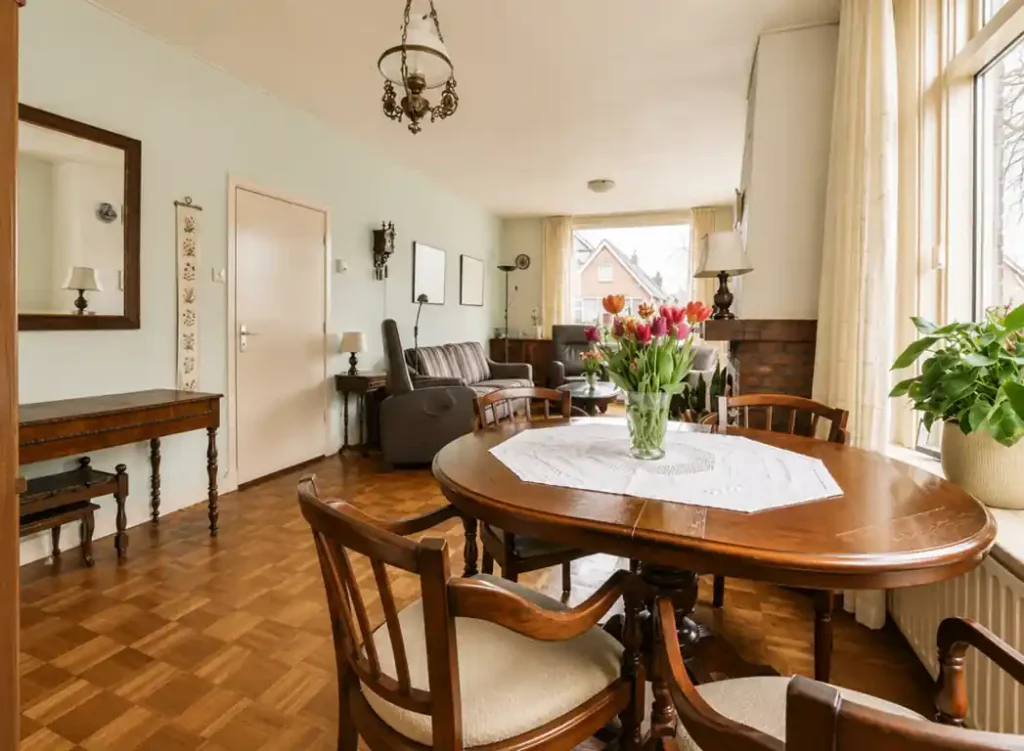
At Bonito Designs, every home interior is planned with a balance of aesthetics, durability, and functionality. The design team carefully evaluates your lifestyle, storage needs, and budget before recommending the right materials for each room.
Whether you need premium modular kitchens, elegant wardrobes, or smart storage solutions, Bonito Designs helps homeowners make informed decisions that combine style with practicality. Book a consultation today!
Understanding the difference between particle board and MDF helps you make smarter choices for your interiors. MDF offers better finish quality, durability, and design flexibility, while particle board remains a practical choice for budget-conscious furniture needs.
Instead of choosing solely on price, focus on where the material will be used, how much wear it will endure, and how long you want it to last.
If you need a design team that focuses on choosing the right materials based on your lifestyle needs and home layout, consider booking a consultation with Bonito Designs!
MDF is made from fine wood fibres and is denser, stronger, and smoother, while particle board is made from wood chips and shavings, making it lighter, cheaper, and less durable.
MDF is generally better for home interiors because it offers a better finish, greater durability, stronger screw-holding capacity, and greater design flexibility.
Yes, particle board is usually more affordable than MDF, making it suitable for budget furniture and lightweight storage units.
MDF can be used for kitchen shutters with proper lamination, but both materials should be protected from moisture. Particle board is not recommended for wet or high-moisture kitchen areas.
MDF typically lasts longer than particle board when maintained well because it is denser, stronger, and more resistant to everyday wear.